
Hearing a high-pitched squeal every time you press the brake pedal can be frustrating and concerning. Many drivers in Colorado Springs notice this issue while slowing down at traffic lights, stop signs, or in heavy city traffic. If you are experiencing car brakes squeaking, it is important to understand what might be causing the noise and whether it requires immediate attention.
Brakes are one of the most important safety systems in your vehicle. When unusual sounds begin to appear, they often signal wear, contamination, or a mechanical issue that needs inspection. Ignoring the problem could lead to reduced braking performance, costly repairs, or even dangerous driving conditions.
This guide explains the most common reasons why brakes squeak when stopping, how serious the problem may be, and how a Mobile Mechanic in Colorado Springs, CO can inspect and repair the issue conveniently at your location.
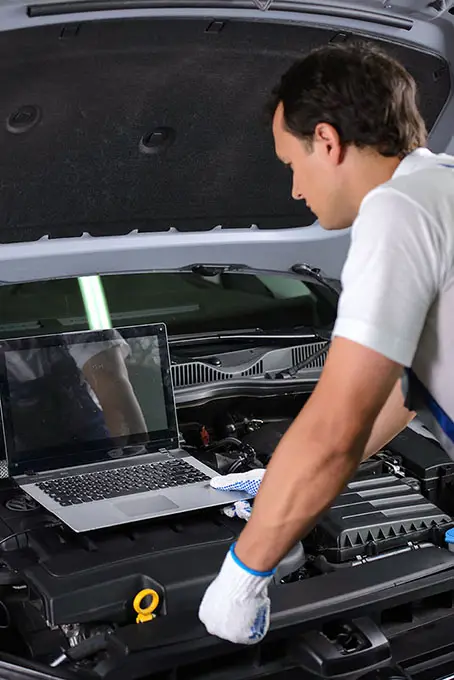
Common Causes of Car Brakes Squeaking
Several factors can cause car brakes squeaking, and not all of them mean something is seriously wrong. However, identifying the cause early can prevent further damage.
Worn Brake Pads
One of the most common reasons for squeaking brakes is worn brake pads. Most modern brake pads include a small metal wear indicator designed to create a squealing noise when the pad material becomes too thin.
This noise acts as an early warning that the brake pads need replacement.
If worn pads are not replaced, the metal backing plate can begin grinding against the brake rotor. This can damage the rotor surface and significantly increase repair costs.
Drivers in Colorado Springs who frequently drive in stop-and-go traffic may notice brake wear faster because the brakes are used more often.
Moisture on Brake Components
Sometimes squeaking occurs due to moisture from rain, snow, or morning condensation.
When moisture collects on the brake rotors overnight, a thin layer of rust can form. This rust typically disappears after a few stops, but during those first moments of braking, it may create a squeaking or squealing sound.
This type of noise usually disappears quickly and is not typically a sign of damage.
However, if the sound continues throughout your drive, it may indicate a different issue.
Dust and Debris
Brake components are exposed to road dust, dirt, and debris. Small particles can become trapped between the brake pad and rotor, producing a squeaking noise during braking.
This situation is common for drivers who regularly travel on dusty roads, construction areas, or gravel surfaces.
A quick brake inspection can usually identify and remove debris before it causes damage.
How Temperature Changes Affect Brake Noise
Temperature fluctuations can also cause car brakes squeaking, especially in places like Colorado Springs where weather conditions can vary throughout the year.
Cold temperatures can make brake components contract slightly. When metal components shift even slightly, they can create vibrations that produce squealing sounds.
In many cases, the noise disappears once the brakes warm up after a few stops.
However, if the squeaking continues regardless of temperature, a brake inspection may be necessary.

When Brake Squeaking Indicates a Bigger Problem
While some brake noise is harmless, certain situations should not be ignored.
Brake Rotor Damage
Brake rotors can develop grooves or uneven surfaces over time. When brake pads press against an uneven rotor surface, squeaking or vibration may occur.
Rotor damage can happen when brake pads wear down too far or when debris scratches the rotor.
If left untreated, damaged rotors may require resurfacing or replacement.
Brake Pad Glazing
Brake pad glazing occurs when pads overheat and become hardened and smooth. Instead of gripping the rotor properly, glazed pads can slide across the rotor surface, producing squealing sounds.
This problem is common when drivers frequently brake aggressively or travel downhill often.
Glazed pads may reduce braking performance and should be inspected.
Loose Brake Hardware
Brake systems contain several small components, including clips, shims, and mounting hardware. If any of these parts become loose or worn, they can create vibrations that lead to squeaking sounds.
A professional inspection can determine whether hardware needs tightening or replacement.
Why Ignoring Squeaking Brakes Can Be Risky
Some drivers assume that squeaky brakes are just an annoyance and continue driving without investigating the problem.
However, ignoring car brakes squeaking can lead to several problems.
- First, brake pads that wear too thin can damage rotors, turning a simple pad replacement into a much larger repair.
- Second, braking performance may gradually decrease, which increases stopping distance and raises the risk of accidents.
- Finally, damaged brake components can place extra strain on other parts of the braking system.
Addressing the problem early usually results in faster and less expensive repairs.

Signs You Should Schedule a Brake Inspection
If you notice any of the following symptoms along with squeaking, it may be time to schedule a professional brake inspection:
• Squeaking that continues during the entire drive
• Grinding sounds when braking
• Vibrations felt through the brake pedal
• Vehicle pulling to one side when stopping
• Longer stopping distances
These signs may indicate worn brake components or other issues that require repair.
How Mobile Brake Repair Helps Colorado Springs Drivers
Taking time out of a busy schedule to visit a repair shop can be inconvenient. This is where mobile mechanic services provide a practical solution.
A Mobile Mechanic in Colorado Springs, CO can inspect and repair brake issues directly at your home, workplace, or parking area.
Mobile brake services typically include:
• Brake pad replacement
• Brake rotor inspection and replacement
• Brake system diagnostics
• Brake fluid checks
• Hardware inspection and adjustments
This approach saves drivers time and eliminates the need to arrange transportation while a vehicle sits in a repair shop.
For commuters and families in Colorado Springs, mobile repair services make routine maintenance much easier to manage.
Preventing Brake Noise in the Future
Regular maintenance can reduce the chances of experiencing car brakes squeaking in the future.
Drivers can take several steps to keep their braking system in good condition.
Follow Recommended Maintenance Intervals
Brake pads should be inspected regularly, especially if the vehicle has accumulated significant mileage.
Routine inspections allow technicians to replace pads before they wear down completely.
Avoid Aggressive Braking
Hard braking generates excessive heat and can accelerate brake wear.
Maintaining safe following distances and braking gradually can extend the life of brake components.
Keep Brake Components Clean
Regular vehicle maintenance can help remove dust and debris that may accumulate around brake components.
Keeping these parts clean reduces the chances of contamination that leads to noise.
Schedule Brake Service in Colorado Springs
If your vehicle is experiencing squeaking brakes, the Mobile Mechanic in Colorado Springs, CO can inspect your braking system and perform the necessary repairs directly at your location.
Whether you need brake pad replacement, rotor inspection, or a full brake system check, mobile service allows you to get the help you need without visiting a repair shop.
Contact the team today to schedule service, request a quote, or get assistance with your vehicle’s braking system.