
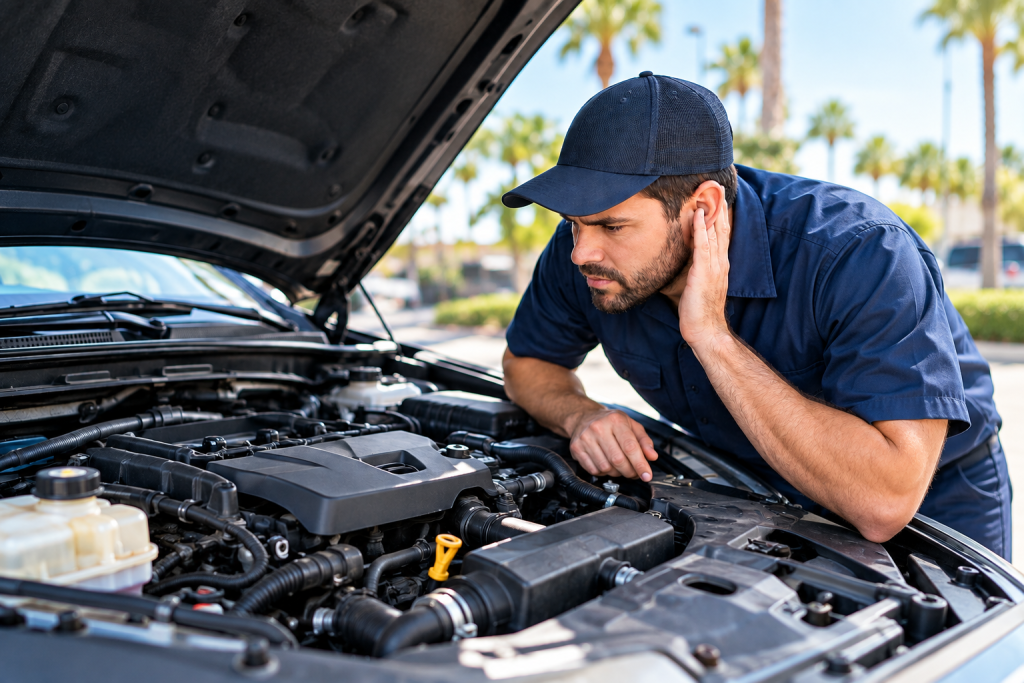
Winter in Colorado Springs can change in a single afternoon. A sunny, mild day can turn into a snowstorm with plunging temperatures, and the roads around the city, from I-25 to the climbs near the mountains, can go from dry to icy quickly. A car that is ready for those swings is safer, more reliable, and less likely to leave you stranded. Here are the questions drivers ask most often when getting their vehicles ready, with clear answers for each.
When Should I Start Preparing My Car for Winter?
Early fall is the ideal time, usually September or October. Colorado’s first snow can arrive earlier than many people expect, and shops fill up fast once the weather turns. Preparing before the first storm gives you time to find and fix problems on your own schedule rather than during a cold snap.
What Should a Winter Car Check Include?
A solid winter inspection covers the systems cold weather attacks first. That means the battery and charging system, tires, brakes, coolant and antifreeze, wiper blades and washer fluid, lights, belts and hoses, heater and defroster, and engine oil. A technician will also look for fluid leaks and worn parts that are likely to fail under cold stress. Think of it as a full health check aimed at winter conditions.
Why Is My Battery More Likely to Fail in Cold Weather?
Cold slows the chemical reaction inside a battery, so it produces less power exactly when your engine needs more of it to turn over. Thick, cold oil makes the engine harder to crank, which puts an even bigger demand on the battery. A battery that works fine in October can struggle in January.
Have it load tested before winter, especially if it is more than three or four years old. Slow cranking, dim headlights, and a clicking sound when you turn the key are common warning signs. Clean any corrosion from the terminals and make sure the connections are tight. We cover starting trouble in more depth in our article on the top 10 reasons your car won’t start and how to get back on the road.
Does Altitude Change How I Should Prepare?
It can. Colorado Springs sits at roughly 6,000 feet, where the thinner air affects how engines breathe and how some components behave. Cold, dry air at altitude also makes starting and warm up behavior different from sea level. Cooling systems work at lower boiling points at altitude, so proper coolant strength and a healthy radiator and cap matter all year. Our article on how elevation changes affect your car’s engine performance explains the details.
What Kind of Tires Do I Need for Snow?
Tires are the single most important winter safety item. All season tires are common, but they begin to lose grip when temperatures drop and rubber stiffens. Dedicated winter tires use a softer compound and a tread pattern built to bite into snow and ice, and they make a noticeable difference in braking and cornering. If you drive in the mountains or commute on steep, snowy roads, they are well worth considering.
Whatever you choose, check tread depth and tire pressure. Cold air lowers tire pressure, and the big temperature swings common in Colorado can change it quickly, so check it regularly with a gauge. Colorado also has traction law requirements on certain highways during winter weather, so make sure your tires and equipment meet current rules before heading into the mountains.
Is All Wheel Drive Enough on Its Own?
All wheel drive helps you get moving and keeps power distributed, but it does not help you stop or turn on ice. Braking and steering depend on your tires and your driving speed. Many winter accidents involve confident drivers in capable vehicles who were simply going too fast. Good tires, a slower pace, and extra following distance matter more than the badge on the back of the car.
How Do I Know If My Antifreeze Is Ready?
Coolant protects against freezing as well as overheating. If the mixture is too weak, the fluid can freeze and crack the radiator or the engine block, which is a very expensive repair. A technician can test the freeze protection quickly with a simple tool. Coolant also loses protective additives with age, so follow the replacement schedule in your owner’s manual and top it off with the correct type.
Should I Change My Oil Before Winter?
Fresh oil is a smart move. Cold makes oil thicker, and old, dirty oil flows even more slowly. Many manufacturers recommend a lower viscosity grade for cold climates, and synthetic oil generally flows better at low temperatures. Check your owner’s manual for the approved grades and have the oil and filter changed before the coldest months arrive.
What About Road Treatments and Corrosion?
Colorado road crews use deicing products that can be hard on vehicles, and the salty residue sticks around long after the snow melts. Magnesium chloride and similar treatments cling to the underside of the car and can speed up rust and corrosion on brake lines, fuel lines, and suspension parts. Wash your car regularly during winter, including the undercarriage, when temperatures allow. Pay particular attention after driving on freshly treated roads. Having a technician check brake lines and underbody components each season can catch trouble early.
How Often Should I Replace My Wipers and Washer Fluid?
Replace wiper blades every fall, since cold hardens the rubber and worn blades smear snow, slush, and road film across the glass. Winter blades resist ice buildup better. Fill the reservoir with a washer fluid rated for very low temperatures, because ordinary fluid can freeze in the lines. Clear visibility is critical during short winter days.
What Should I Keep in the Car for Emergencies?
Winter storms can close roads and leave drivers waiting for hours. Keep a basic emergency kit in the car all season:
- Warm blankets, gloves, a hat, and sturdy boots
- A flashlight with fresh batteries
- Jumper cables or a portable jump starter
- A small shovel, an ice scraper, and sand or cat litter for traction
- Water and high energy snacks
- A phone charger or power bank
- Reflective triangles or flares
Try to keep your fuel tank at least half full, which prevents condensation and gives you a margin if you are delayed.
Can a Mobile Mechanic Handle Winter Prep?
Yes. A mobile mechanic can test your battery, check fluids and belts, inspect brakes, replace wipers, change oil, and look over the rest of your winter checklist at your home or workplace. That means no waiting room, no ride arrangements, and no lost afternoon. We lay out the broader advantages in our article on why mobile mechanics are better than traditional auto shops in Colorado Springs.
Get Ready Before the Snow Flies
A little preparation now pays off all winter. A healthy battery, good tires, fresh fluids, and a quick inspection of brakes and belts can keep you safe and moving through whatever the Front Range throws at you.
To learn more about our services, visit our homepage. When you are ready to schedule your winter checkup, reach out through our contact us page and we will come to you anywhere in the Colorado Springs area.